Social Media Exposure of Vulnerable Groups raises Concerns over Ethics and Dignity
May 13th, 2026
By KP Sharma, Reporter, Kuensel, 12 May 2026
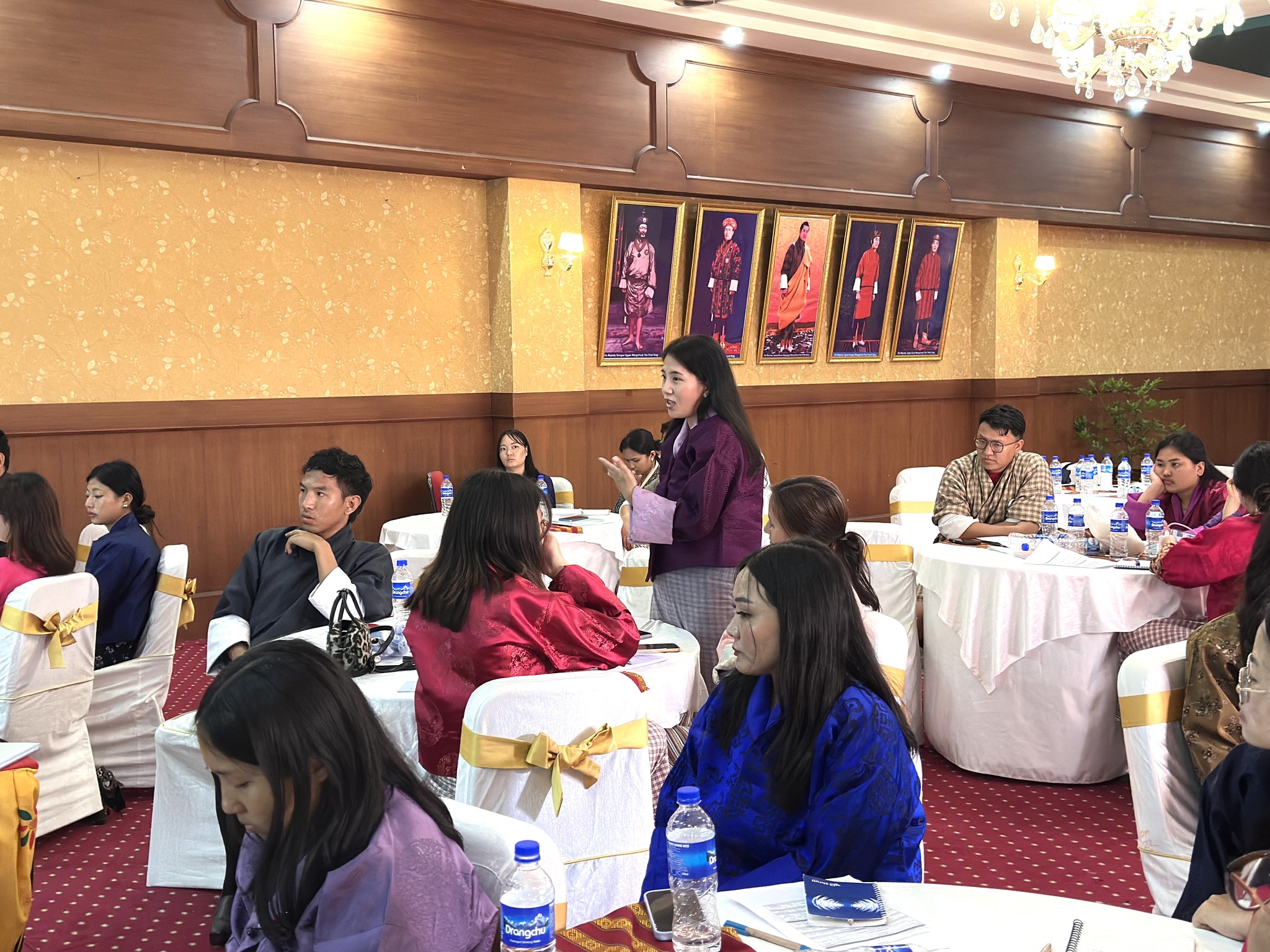
The programme focused on strengthening ethical and responsible reporting on issues affecting marginalised groups, particularly in relation to gender and child rights in Bhutan.
While the intent may be good, the growing practice of social media users, including some social workers, publicly exposing vulnerable individuals in the name of mobilising financial support has raised concerns over storytelling methods that risk deepening stigma and compromising dignity.
The issue formed a major part of discussions during a training organised by the Bhutan Media Foundation (BMF), where journalists, freelancers and youth participants examined how both traditional and digital media narratives shape public perception of vulnerable communities, often blurring the boundary between awareness and exposure.
The programme focused on strengthening ethical and responsible reporting on issues affecting marginalised groups, particularly in relation to gender and child rights in Bhutan.
Participants discussed how media influences public opinion and social attitudes, while also carrying the responsibility to avoid harm when covering sensitive issues.
The growing visibility of vulnerable groups across media and social platforms has brought greater attention to underreported issues, but it has also intensified risks linked to privacy, consent and representation.
Legal and policy frameworks on the protection of women and children were also discussed in relation to preventing secondary harm through reporting practices.
An official from the National Commission for Women and Children (NCWC) said emotionally driven storytelling can make individuals easily identifiable, especially in closely connected communities where information spreads quickly.
“When the intent is to seek help, such exposure can result in long-term stigma, emotional distress and social isolation that extends beyond the immediate incident,” the official said.
Participants noted that women and children involved in cases of abuse, violence or exploitation often continue to face social consequences long after incidents are reported publicly.
Even when names are withheld, contextual details such as photographs, family backgrounds, locations or relationships can still lead to identification, exposing victims to further trauma and isolation.
The discussions also highlighted how digital platforms have encouraged emotionally charged storytelling, where distress and vulnerability are frequently used to attract engagement and support.
In many cases, urgency to mobilise assistance or draw attention can override considerations of consent, dignity and long-term impact.
“When the media is used to garner sympathy instead of focusing on systemic solutions, gaps and ways to address such issues, it diverts attention away from meaningful responses,” said another participant.
The issue was also linked to newsroom pressures and evolving content practices within competitive media environments, where dramatic narratives often receive greater visibility than rights-based or context-driven reporting.
Ethical journaalism and interviewing practices involving vulnerable groups were discussed in relation to balancing public interest with individual safety and dignity.
The programme further encouraged reporting that reflects lived realisties and structural challenges rather than surface level storytelling.
Participants discussed the need for greater attention to language, representation, context and longterm consequences to ensure reporting does not reinforce stigma or deepen harm